Il tuo Vet a portata di click. Your Vet at a click.

Consigli per prenderci cura dei nostri amici a quattro zampe. Tips for taking care of our pets.
Your Ad Here

World's Ugliest Dog Mugly set to star in TV documentary


World's Ugliest Dog, MuglyThe World's Ugliest Dog: Mugly (Picture: AFP)
The eight-year-old Chinese crested dog beat 29 other peculiar-looking pets at the annual competition, held in California last week.
A triumphant Mugly has since returned to British soil, following his success across the pond, to promote his new documentary Mutt Ugly.
The former rescue dog attended a photo shoot on Thursday to promote the new show which will air on Channel 5 later this year.
It will follow Mugly on his American journey, beginning five days before he touched down in the US ahead of his triumphant victory.


Mugly, World's Ugliest Dog Mugly is set to star in his own documentary (Picture: AFP)

Ahead of filming, a Channel 5 spokesman said: 'The World’s Ugliest Dog Contest proves there’s more to this year than the Olympics!
'We’ve no doubt dog lovers and viewers will love this fun documentary.'
Mugly faced stiff competition from hot favourite Handsome Hector for the coveted title, but impressed judges enough to grab the $1,000 (£641) prize and a year's worth of dog cookies.


Read more: http://www.metro.co.uk/weird/903587-worlds-ugliest-dog-mugly-set-to-star-in-tv-documentary#ixzz24axPSzVe

Read more...

Bella Mae: The Bulldog that survived 500 porcupine spikes to the face.

Pictuer from: elitedaily.com

This 3 year old bulldog Bella Mae is recovering from a porcupine attack that happened to her a couple of days ago on August 2 in Oklahoma. She was in her owner's backyard when she stumbled upon a porcupine. The owners had another dog who was also attacked by the porcupine, but Bella Mae had the worst injuries. Now, what I'm not sure of is whether to feel anger towards the owners or not. It seems like a very irresponsible thing for an owner to do, especially because they already knew that wild animals were going to their backyard pool for water because of the summer heat. I believe that if they knew about this, they should have taken better precautions when letting their dogs roam the backyard, at least keep an eye on them. With that being said, here's the news report video for you guys to see for yourselves. What do you think about this? Do you think the owners have the fault?


Read more...

Does my pet need lumpectomy for that small mass he/she has in the skin?


In Small Animal Practice is frequent to visit pets for masses in the skin. 

It is very important to check your pet's skin regularly and ask the Vet to examine any new lumps or bumps that are changing in size and shape.
Skin masses are various, different and can be found in every part of the body. Sometimes you can identify small pedunculate "skin tag" that should not arise suspicion; other times you can involuntarily find out cutaneous lumps (within the skin) that can be revealed as simple fat deposit. Lumps may be also found in the subcutaneous tissue or within muscles or bones. 
Lumps can be benign (non-cancerous) or malignant (cancerous). Both can be found in every part of the skin and the decision to perform a lumpectomy (surgical removal) depends on the nature of the mass, discomfort that the mass can cause to your pet, results of tests and owner's consent.

Before surgery a few tests are recommended: 
1) Complete blood test and urinalysis: help assessing your pet's general health before anaesthesia; it also provides clues about possible tumour spread to other organs;
2) Fine-needle aspiration: is a simple and painless procedure that allows to aspirate a tiny sample of cells from the lump and examine it under a microscope; it can be easily done by your Vet and the result is almost immediately available;

3) Biopsy: when a larger sample is needed to identify the exact nature of the pathologic tissue. A biopsy is usually sent to an external lab for additional testing and results are available in a few days;

4) Radiographs (X-rays): if the mass is suspected to be malignant, abdominal and chest X-rays might help indicate if the tumour has spread within the body (metastasis);

5) Advanced imaging: Ultrasound, CT (Computer Tomography) or MRI (Magnetic Resonance Imaging) may be recommended to explore the extend of the mass to prepare for surgery or to check for signs of tumour metastasis. 

A lumpectomy is the surgical removal of a mass from the skin (or other tissues). The  number, appearance, size, growing rate and general health can drive the Vet in the decision making process. If a mass is suspected to be benign, a couple of reasons are valid to proceed with surgery: discomfort that the mass is causing to your pet and owner's consent. If a mass is suspected to be malignant, there are no reason not to proceed with surgery but the owner's compliance.
A lumpectomy is performed under general anaesthesia, all the rules of asepsis must be respected and a preventative antibiotic treatment and painkiller is given. Usually a 2 cm margin is removed together with the mass and the skin is reconstructed with stitches that can be removed after about 10 days. The cicatrix left depends on the size, location and reconstruction technique used but often wounds heal pretty well. Be sure to check the area daily for abnormalities such as swelling, bleeding or discharge. When the Surgeon decides to stitch a drainage under the wound, it should be taken out in 3 days. The drainage will allow the wound to heal better and the discharge to be drained outside and let the wound breathe.
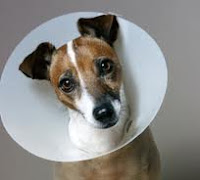
The post-operative treatment is based on antibiotics and painkiller/anti-inflammatory for 5 or more days. Part of the post-operative treatment is also the Elizabethan collar that prevents licking or scratching of the area, so complications and infections. The collar should be taken for 10 days until the Vet takes out the stitches.

The prognosis for your pet will depend on the results of all tests your Vet has performed. The biopsy result can show a benign mass; in this case no further tests are needed. However in some cases, the biopsy can identify a malignant tumour and further tests must be performed in order to rule out metastasis in other organs. In this case, regularly checking your pet for other masses in the skin can represent an important factor since prompt intervention can improve a pet's prognosis.

Monica Giarrizzo

Read more...

Managing diabetes pets is not such a big deal! Tips for pets and owners by Monica Giarrizzo

Diabetes mellitus is an endocrine disease characterized by low levels of glucose in the liver and high levels of glucose in the blood. It caused by the lack of production of insulin from the pancreas.
Caring a diabetic cat or dog could seem a formidable job, difficult to deal with, a challenge or sometimes an unwelcome commitment if you are not aware of some simple rules that can make life easier for the owner and his pet.

First of all, let’s try to recognize the condition and know the symptoms since “the quicker the diabetes is controlled, the more likely remission will occur”.

The 4 most important symptoms are listed below: “Learn how to recognize them!”
  • Starving, drinking and urinating in the face of plenty! Polyphagia (PP), polydipsya (PD) and polyuria (PU) respectively.
  • Weight loss
Once you recognize them and a treatment is planned, your pet has the possibility to achieve remission.

  • Cataract is developed in the majority of dogs and cats and neuropathies (such as difficulty climbing stairs or a plantigrade stance) are common in cats.
If the diabetes is moderate to severe and it is causing problems to other organs, your pet has less possibility to achieve a remission.

But DO NOT FORGET! Diabetes can be taken under control and your pet can live a normal life.

The Veterinarian and the Nurse will explain you the disease and its treatment and it is important that you deeply understand them.


The treatment is based on subcutaneous injections of insulin. Depending on the type of insulin the therapy should be administered SID (once daily) or BID (every 12 hours) always at the same time.

The first aim of the treatment is the “STABILIZATION”
You and your Vet need to decide 3 things:
  1. What we are aiming for? --> Stability
  2. How we are going to get there? --> Routine
  3. How we are going to stay there? --> Monitoring

Stability:
  • for the Vet is the achievement of the right level of glucose in the blood (between 5 and 10 mmol/L;
  • for the Owner is the understanding of the disease and the achievement of remission of clinical signs (PP, PU, PD and Weight loss)

3 important TIPS at this stage: diet, insulin and exercise .
“Keeping your pet healthy allows the insulin works”

Routine: “the daily routine”
Insulin treatment of a diabetic pet is LIFELONG.
For this reason, many Owners are compliant because the therapy is subcutaneous and not oral, or they do not know how to administer the drug, or they are not sure to be able to keep the commitment, or just they do not believe it is going to work. REMEMBER: this is the reason why you will hear Vets and Nurses talking about “What we can do” rather than “What we should do” because you will be the protagonist and with their support “you are going to make your pet better!”

TIP 1: don’t be a chicken and face up the situation! Your pet needs you and the veterinary team supports you with advices, flexibility, availability and effective use of the consulting time. “The Vet can give you the right syringe to use and can show you how to inject your pet. You will perform the fist injection in front of him!” Even kids can learn it!

TIP 2: Make giving insulin part of a pleasant experience for you pet (and for you!) because you will do it every day for long time, your pet cannot miss its daily dose, he/she cannot decide “I do not want it” and sometimes it could be difficult to keep them quite even just for a few seconds if they know that “It is injection time!”
SINCE THE VERY FIRST DAY, you should let the pet associate the injection with something pleasant to them. For a dog it could be a treat, a toy or the lead “Ready to go out?”, for a cat it could be some humid delicious food or the door, “ready to be open for a trip outside!”. They will have the pleasant treat immediately after the small injection. Some of you might find easier to inject them while eating, others have to call their pet on a chair or on a table to get their attention. Whatever the method you are going to choose, make it a nice routine and half of the job is already done!

TIP 3: The owner of a diabetic cat in heathy general condition, stable, non-ketotic with a good body weight and no other complicated diseases can ask the Vet to prescribe an oral agent called Glipizide. Please, discuss the possibility of success with your Vet.

Another chapter of the “Routine” is the DIET. You will be explained that the diet is one of the 3 most important components of the therapy and it must be changed according to the needs of a diabetic pet. They will give you the right advices! 
To sum up, the diet must be low in carbohydrates and high in proteins. Canned food is preferred since dry food always contain high percentage of carbohydrates.
Discuss with your Vet the best diet for your pet and establish a plan for it as well: amount, time and type of food, making it part of the routine.

Your routine will include some EXERCISE for your pet as well, but if you think about it, it is already part of your routine and you should just adjust it in order to get a more successful therapy.


Monitoring: one of the crucial part of judging the appropriateness of a dose.
The BLOOD GLUCOSE CURVE: “the unknown mathematical and engineering complicated task that the owner is asked to do”. (Ironically!)
The blood glucose curve consists in the constant measurement of the level of glucose in the blood through the glucometer. It basically is a small nice instrument used in human medicine to measure the glucose in diabetic patients. With a special pen you sting a part of the skin (usually ear) of your pet and make it bleeding a bit. A very small amount of blood is needed for the strip of the glucometer and the result is immediately available. Your Vet will suggest you to learn how to do it or come to the practice to do it weekly (at the beginning) or monthly (when stability to achieved).
The importance of the blood glucose curve is that it will show the effectiveness of the treatment. Hyperglycemia (glucose > 10 mmol/L) is often detected and it is due to low dose of insulin; your Vet will be then able to prescribe you a higher dose in order to keep under control the disease and its clinical signs. Hypoglycemia (glucose < 5 mmol/L) is due to high dose of insulin; it is the most important to be detected in order to prevent its clinical signs: syncope or seizures. 
Your Vet and you will reach the stabilization and full monitoring when he finds the right dosage of insulin and you no longer see any PP, PU, PD and weight loss.

TIP 1: YOU DO NOT NEED TO DRAW ANY CHART OR DO ANYTHING CHALLENGING!
Organize a block-notes for your pet with 4 main points for each day: date, time, level of glucose and symptoms.
Eg: 16 Aug 2012  09:00 am  11 mmol/L  NO PP, YES PU, YES PD, NO Weight loss.

TIP 2: when you perform a glucose curve normal routine must be maintained. Even the stressful experience of been stung should became part of a pleasant moment. For example, choosing a special (proteinic) treat for the sting experience and the lead “ready to go out” for the insulin injection can make it works. Keep doing it everyday and do not give up because it becomes part of your routine very easily!

Read more...

Feline diabetes mellitus by Claudia Reusch


Diabetes mellitus is a common endocrinopathy in cats.

The incidence of the disease is increasing, most likely due to an increase in the occurrence of risk factors, such as obesity, physical inactivity, old age, male gender, being neutered, glucocorticoid and progestin administration.

The most important risk factor is obesity and it has been shown that obese cats are 4 times more likely to develop diabetes than optimal weight cats.

It is important to note that although obesity induces insulin resistance not all obese cats develop diabetes.
Diabetes typically occurs in middle-aged to old cats. There is a strong sex predilection since approximately 70% of diabetic cats are male. Approximately 60% of diabetic cats are overweight, 35% are normal weight and 5% underweight.
Most diabetic cats show the classical signs of diabetes, namely PU/PD (polyuria, polydipsia),
polyphagia and weight loss. 
About 10% of diabetic cats have overt signs of diabetic neuropathy, manifested as hindlimb weakness, decreased ability to jump and plantigrade posture. Lethargy and a dry, unkempt haircoat are often present, whilst physical examination may reveal hepatomegaly.

Cats with complicated diabetes (diabetic ketoacidosis, hyperosmolar non-ketotic syndrome) present with lethargy, anorexia, reduced water intake and vomiting.


Diabetes is diagnosed on the basis of clinical symptoms, persistent hyperglycemia and glucosuria and fructosamine blood concentration, rather than glucose, as it reflects the mean blood glucose concentration of the preceding 1-2 weeks.

Any concurrent disease may worsen insulin resistance and will hinder treatment success. In some cases bacterial urinary tract infection is present and pancreatitis is frequently associated with diabetes.


Read more...

EUTHANASIA... Time to say goodbye

The life expectancy of a pet is generally much longer than that of a wild animal. Breed also has a significant influence on lifespan. At some stage it may become obvious that your pet's life is drawing to a close. It is then that you will face a painful and difficult decision on whether your pet should be taken to the vet to be put gently and painlessly to sleep.

When is euthanasia necessary?


Euthanasia (often called 'putting to sleep') is the term used by vets for the process of preventing the suffering of an animal that is too old or sick to have a happy and fulfilled life. It is never an easy decision and many owners understandably delay making it for as long as possible. Pain is not the only form of suffering, quality of life is important too and there are a number of situations in which euthanasia is the kindest thing to do for your cat.

Consider euthanasia if your pet is:

• Suffering untreatable pain.
• No longer able to eat or drink normally.
• Unable to breathe properly because their lungs and heart are diseased.
• No longer empty its bowels or bladder without pain or they are incontinent.
• Unable to stand or move normally.
• So blind, deaf or aged that it cannot cope with everyday living.
• Or if the emotional or financial demands of caring for your pet are more than you can manage.

What will happen?

Your vet may shave the fur from a patch of skin on one of your pet's front legs and insert a needle into a vein. Your pet will them give an overdose of a drug (similar to an anaesthetic). This will make your pet lose consciousness (and they will no longer be able to feel pain or fear). Your pet will be asleep in a very short time (usually a matter of seconds). Breathing and heart beat will stop a few seconds later. If your pet is fearful or aggressive it will often be given a sedative before the fatal injection is given.

Will my pet suffer?

The process is completely painless. In its last moments your cat may give a gasp. Your pet is asleep and the sound is caused by a spasm of muscles that is perfectly normal. Other muscles in your pet's body may also twitch and, as its body relaxes, your pet may empty his bowels or bladder.
Should I be there at the end?
Discuss in advance with your vet whether you wish to be with your pet when it is put to sleep. It may be less stressful for your pet to be held in your arms and to be able to hear a familiar voice. You may be comforted by knowing that your old friend suffered no pain and met a peaceful end. However, if you are frightened or anxious your pet may sense this and may also become upset.

Can my pet be put to sleep at home?
Vets usually prefer to see their patients at the clinic where all the equipment and trained staff they need is close at hand. But euthanasia is a special situation for both the vet and yourself and, if you want to have your animal put to sleep in its own home then most vets will do this.
When is the right time for euthanasia?

It is you who must decide whether, or when, euthanasia is the right thing for your pet. Your vet will be able to advise you on what the options are and make a sensible recommendation but will not make the decision for you. It is rare that a decision has to be made on the spur of the moment, so it is much better to make your choice after talking it over with your vet and with other members of your family.  It is important that all members of the family are involved in the decision-making process and that they are all in agreement. Do not exclude children from this - talking with them before the decision has been made may help them to come to terms with it.

How will I feel?
It is perfectly natural to feel grief after losing a pet and there is no shame in feeling strong emotions.  Sometimes the first response to a pet's death is anger or guilt. Often people wonder whether anyone could have done more for their pet. The depth of friendship with pets may be greater than that of many human friends and a period of mourning is quite normal. However, people experience grief in different ways and there are no hard and fast rules about what you will feel. It may help to have someone to take you home after your pet has been put to sleep so that you do not have to return to an empty house. Talking to friends and family is important, especially your children (if you have any).

How will my children cope?
Losing a pet is often the first time that a child becomes aware of death. It is usually best to be honest with a child and explain the truth as clearly as you can. Children may want time to say goodbye to their pet and seeing the dead body may help them understand what has happened. It can be very therapeutic to mark the occasion with some kind of memorial such as a burial. Talking about the happy times you shared will often help them and you to come to terms with the change in your lives. Children frequently get over the loss of a pet much more quickly than do adults.

What happens to my pet's body?
Your vet will explain what can be done with the body of your pet. They can arrange for your cat to be cremated, or you may choose to bury the body yourself. If you want to bury your pet in your garden check first with your local authority that this is allowed and make sure that the body is buried at least 2 feet (about 600 mm) below the surface. If your pet is cremated it is usually possible for your vet to arrange for you to have its ashes returned, but you must inform them of your wishes at the time of euthanasia.

Should I get another pet?
After the experience of losing a pet some people say they never want to own another pet. However, many others find that getting another pet helps them deal with their grief. The relationship you build with another pet will never be the same as the one you had, but it can be equally rewarding.

Read more...

Il Papillomavirus orale: cause, sintomi e cure


Malattia più comune di quanto si pensi, quella del papilloma orale nei cani è causato dal virus del papillomavirus canino (COPV). Il cane affetto da tale malattia di norma presenta sulla lingua e soprattutto sulle labbra dei noduli più o meno piccoli, dal caratteristico colore bianco tendente sul grigiastro con tanto di protuberanze. Il nodulo a tutta prima ricorda un piccolo cavolfiore.
Neoplasie benigne, queste tendono rapidamente a riassorbirsi e scomparire in maniera autonoma, in un tempo che normalmente varia dai cinque ai sei mesi. Ciò non toglie che in alcuni, seppure rarissimi casi il papilloma si trasformi da benigno a maligno. E’ per questo che si consiglia di tenere sotto controllo il cane affetto da questa patologia onde evitare che il male degeneri. 

La papillomatosi può presentarsi  in tre possibili forme differenti:
• la forma orale (la più frequente);
• la forma oculare;
• la forma cutanea.
La malattia si riscontra con maggiore frequenza nei cani giovani; si stima che i cani più soggetti a  papillomatosi  siano quelli che ancora non abbiano raggiunto i tre anni di vita, ciò non toglie che anche un cane adulto o addirittura anziano possa riscontrare i chiari sintomi della patologia. La possibilità di contrarre il male in questi ultimi aumenta notevolmente se in contatto con cani giovani visto che si tratta sostanzialmente di un’infezione di natura virale, fortemente contagiosa.
Il contagio avviene molto rapidamente, e si dimostra sufficiente il contatto diretto fra i papillomi del cane ammalato con le mucose di quello sano che sono ancora più in pericolo nel caso in cui queste presentino delle piccole abrasioni o ferite anche superficiali. E’ proprio li che il virus avrà cura di inocularsi diffondendosi di li a breve.
D’altronde riscontrare immediatamente la malattia è davvero difficile dato che dopo il contagio questa resta in incubazione per un periodo discretamente lungo che può variare fra i 30 e 60 giorni. L’incubazione si dimostrerà più duratura nei cani con ottimo sistema immunitario, che alla fine è costretto a cedere. E’ ancora il sistema immunitario che consente un naturale riassorbimento dei papillomi. Nel caso in cui questo non avvenga e il sistema immunitario non reagisca positivamente, col passare del tempo non solo i papillomi non spariranno, ma aumenteranno in volume e numero.
Quando questi vengono contagiati anche alla lingua del cane, la difficoltà di alimentazione aumenta gradualmente.
La dimensione e il numero dei papillomi dipende esclusivamente dalla rapidità con la quale il proprietario si sia accorto della malattia ed abbia portato il fedele amico a quattro zampe dal veterinario.
Nei casi più fastidiosi e difficili il veterinario potrà intervenire o chirurgicamente o con diverse altre metodiche. Nel caso di papilloma di grandi dimensioni, facilmente raggiungibile e ben localizzato, ma soprattutto singolo è probabile che il veterinario proceda con applicazioni topiche: si opterà dunque per pomate, gocce o unguenti tutti a base di sostanze che disgregando la cheratina permettono una facile eliminazione del papilloma.
Diverso il caso di papillomi piccoli e numerosi, che pure con il trascorrere del tempo non hanno dato cenno di voler migliorare. In questo caso si dovrà optare per attacchi tramite chemioterapia sistemica e tramite farmaci antineoplastici, che manco a dirlo, sarà il medico veterinario a dover prescrivere.
Quest’ultima cura si dimostra consigliata comunque ai proprietari che dispongono di molto tempo da dedicare al proprio animale. In caso contrario la soluzione chirurgica si dimostrerà sicuramente quella ideale. In alcuni casi anche la crioterapia si è dimostrata efficace. Attraverso l’applicazione di piccole sonde sul papilloma le cellule della zona verranno congelate e il virus contenuto in esse eliminato. Sembra addirittura che questa tecnica stimoli il sistema immunitario dell’amico a quattro zampe rendendolo più forte per eventuali nuovi attacchi da parte del virus.

fonti:cacciapassione.com

Read more...

Followers

  © Blogger template Shush by Ourblogtemplates.com 2009

Back to TOP